Our mission The sea asks a great deal. We’re here to talk about what it costs.
Real stories from the merchant navy. Understanding the human cost of maritime incidents is why The Sarcastic Mariner exists, and why we write about the part no official report can capture.
What the official record leaves out
Shipping moves 90% of the world’s goods, but the people who move it are largely invisible. We exist to change that.
When something goes wrong at sea (a fire, an explosion, a grounding, a collision, a piracy attack) the world sees a headline. The industry files a report. Lawyers assign blame. Insurers calculate the cost.
But the people inside the incident carry it forever.
The official record tells you what happened. It does not tell you what it cost. It does not tell you about the Second Officer who still flinches at loud noises, three years after the explosion. It does not tell you about the Chief Officer who replays thirty seconds in his mind every night, wondering if he could have done something different. It does not tell you about the family waiting for a phone call that never comes.
That gap, between the official record and the human reality, is where we work.
What we do
Through fiction, incident analysis and honest reflection, we explore the moments when shipping goes wrong. Not as case studies. Not as statistics. As human stories.
The Measurable Horizon
Follows the people inside modern shipping: the Captain alone on the bridge at 03:00, the Chief Engineer who knows the engine better than the digital twin does, the shore superintendents managing four vessels from the fourteenth floor. The pressure that builds before the disaster.
See the books →The Last Watch
Each book takes one type of maritime casualty and follows the people on the ship and ashore in the moments before, during and long after the official report is filed. Book 1, Enclosed Space, and Book 2, Explosion, are out now.
Explore the series →The Situation Room
What is happening in global shipping right now, and why it matters to the people on the water.
Explore the series →The Human Factor
The decisions, habits and blind spots that turn routine passages into disasters.
Explore the series →Sea, Salt & Reflections
Personal reflections on life at sea and ashore: loneliness, burnout, friendship, rest and what we carry.
Explore the series →Guest Voices
Seafarers, shore staff and industry veterans sharing the moments that shaped them. Personal, honest, unvarnished.
Explore the series →We are anti-delusion.
We are not a training manual. We are not a loss prevention bulletin. We are not anti-technology, anti-management or anti-progress.
We are against the delusion that compliance equals safety. The delusion that what gets measured is what matters. The delusion that a procedure written in an office far from the sea can account for the reality of a pump room at 03:00 or a cargo tank filling faster than its vents can handle.
We write about the gap between what the system expects and what actually happens. Because that gap is where people get hurt. That gap is where they die.
Why “Sarcastic”?
It’s not cynicism. It’s not disrespect.
It’s the particular voice of people who have been at sea long enough to know that the most dangerous word in the industry is “routine.” It’s the understatement of a Chief Engineer who has just survived an explosion saying, “That was not ideal.” It’s the quiet observation of a Master watching a dashboard flag something that isn’t broken, while the thing that is broken has no sensor at all.
The tone is dry, observational and occasionally wry. Not because the subject matter is not serious (it is deadly serious) but because the people who do this job express themselves with understatement. We write in that voice because it is the voice of the people we write about. It felt wrong to use any other.
What we believe
Three things, and one promise.
- The people who move the world’s goods deserve to be seen.
- The cost of maritime incidents is measured not just in dollars, but in careers ended, families broken and trauma carried for decades.
- The industry learns slowly, but it learns, and the learning happens not through reports, but through stories.
The sea asks a great deal. The least we can do is think very carefully about what we ask of the people who answer.
The moment that started this
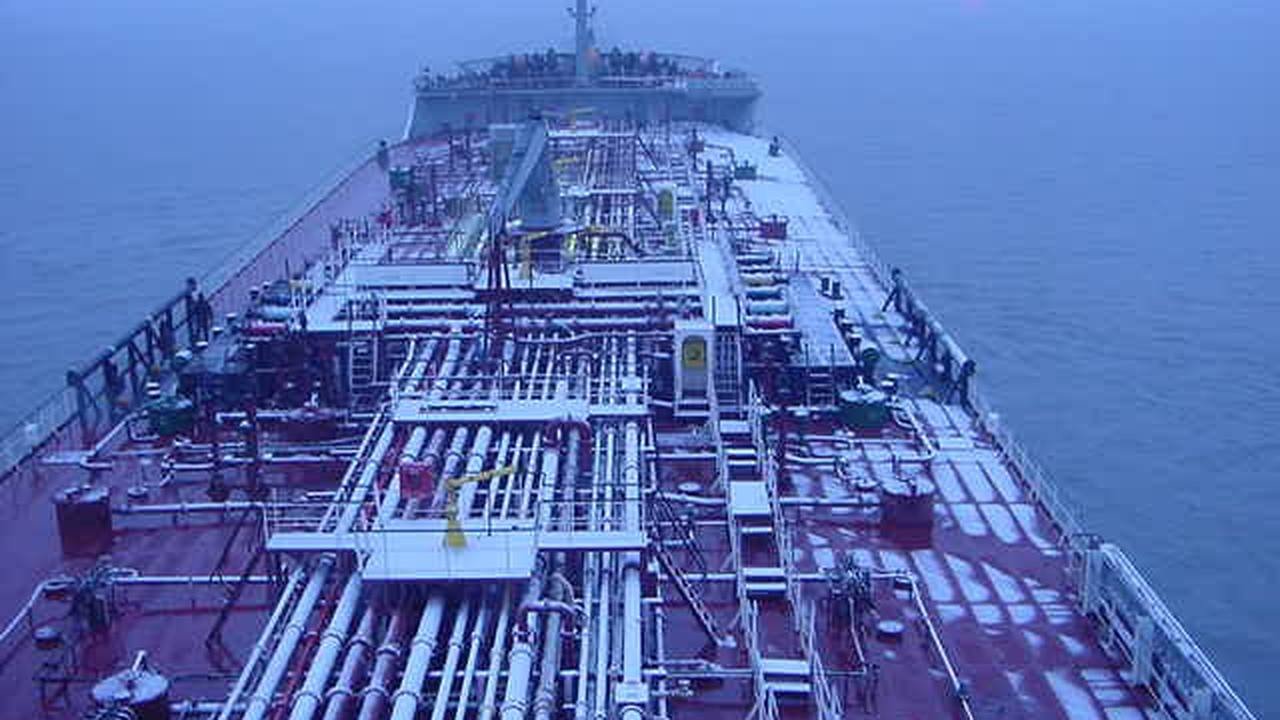
It was 03:00 on a tanker in the South China Sea. The author who would become “The Sarcastic Mariner” was a junior officer, standing watch, watching the radar sweep an empty ocean. Somewhere behind him, in a cabin, the Chief Engineer was asleep. Somewhere ahead, a port was waiting. Somewhere at home, a family was going about their day, unaware that their son, their husband, their father was out here, alone, carrying the weight of a vessel and its crew and seventeen million dollars’ worth of cargo.
He thought: No one knows we’re here. No one knows what this costs.
That thought never left.
Decades later, after sea and shore, after investigations and claims and the endless paperwork of maritime casualties, it became this website. These books. These stories.
What we carry
Everyone who works at sea carries something. A close call they never reported. A decision they still question. A face they can’t forget. Everyone who works ashore carries something too. The call at 02:00. The family waiting for news. The file that never quite closes.
We started writing because we noticed that the official record (the incident reports, the investigation findings, the loss prevention circulars) captured the “what” but never the “what it cost.” They told you which valve failed. They did not tell you about the engineer who had inspected that valve a hundred times and would now replay that moment for the rest of his life.
We write to capture the cost.
There is a gap in this industry. It is not a gap in regulation. It is not a gap in technology. It is a gap in understanding: between the people who make the rules and the people who live by them, between the dashboard and the deck, between the procedure written in an office and the reality of a tanker at 03:00 in a building sea. We write about the people who fall into it, the people who catch them, and the people who carry them afterward. Until we acknowledge the gap, we cannot close it.
You’re in the right place.
You don’t have to be a mariner to read these books and blogs. You just have to be interested in people: in what happens when competent individuals, following correct procedures, find themselves in the space between what they knew and what they needed to know.
Still unsure? Email us at info@thesarcasticmariner.com. Seriously. We reply.