
Welcome to the First Annual (Probably Recurring) Boys-Men Mental Safety Month, brought to you by the same sarcastic mariners responsible for Sea, Salt & Reflections.
Rest is not weakness — even though it so often feels like one.
There is a point before breaking that rarely gets discussed.
The moment when someone realises:
“I cannot continue at this pace forever.”
Not dramatic collapse.
Not disaster.
Just a quiet internal recognition that the current system is unsustainable.
A lot of men ignore that moment.
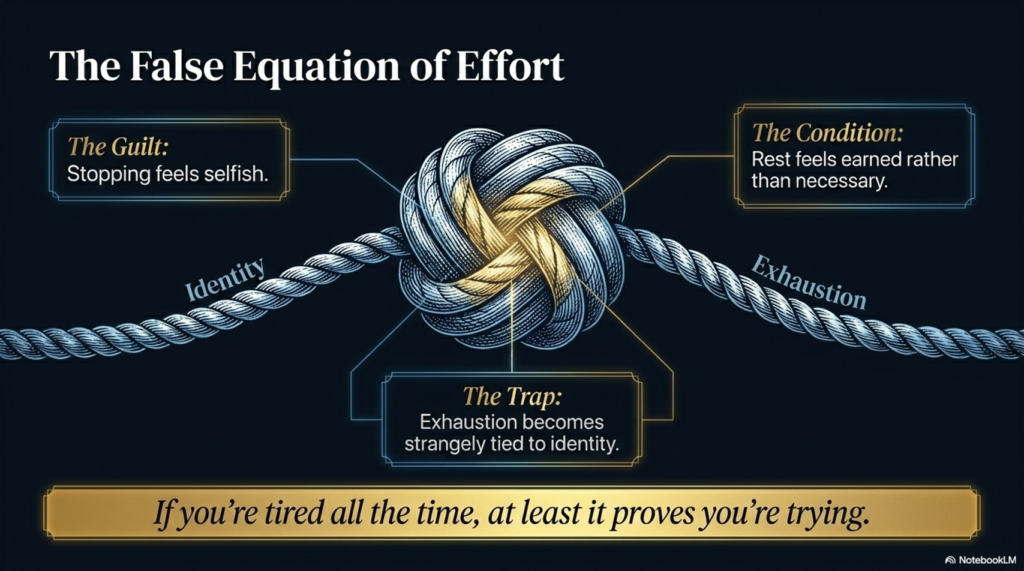
Because stopping feels selfish.
Rest feels earned rather than necessary.
And exhaustion becomes strangely tied to identity.
If you’re tired all the time, at least it proves you’re trying.
So they continue.
Long past reasonable.
Long past healthy.
Long past human.
Until eventually the body intervenes where the mind refused to.
The WHO now formally recognises burnout as a syndrome caused by chronic, unmanaged stress — not a personal failing, a medical pattern.
Why rest is not weakness, even when it feels like failure
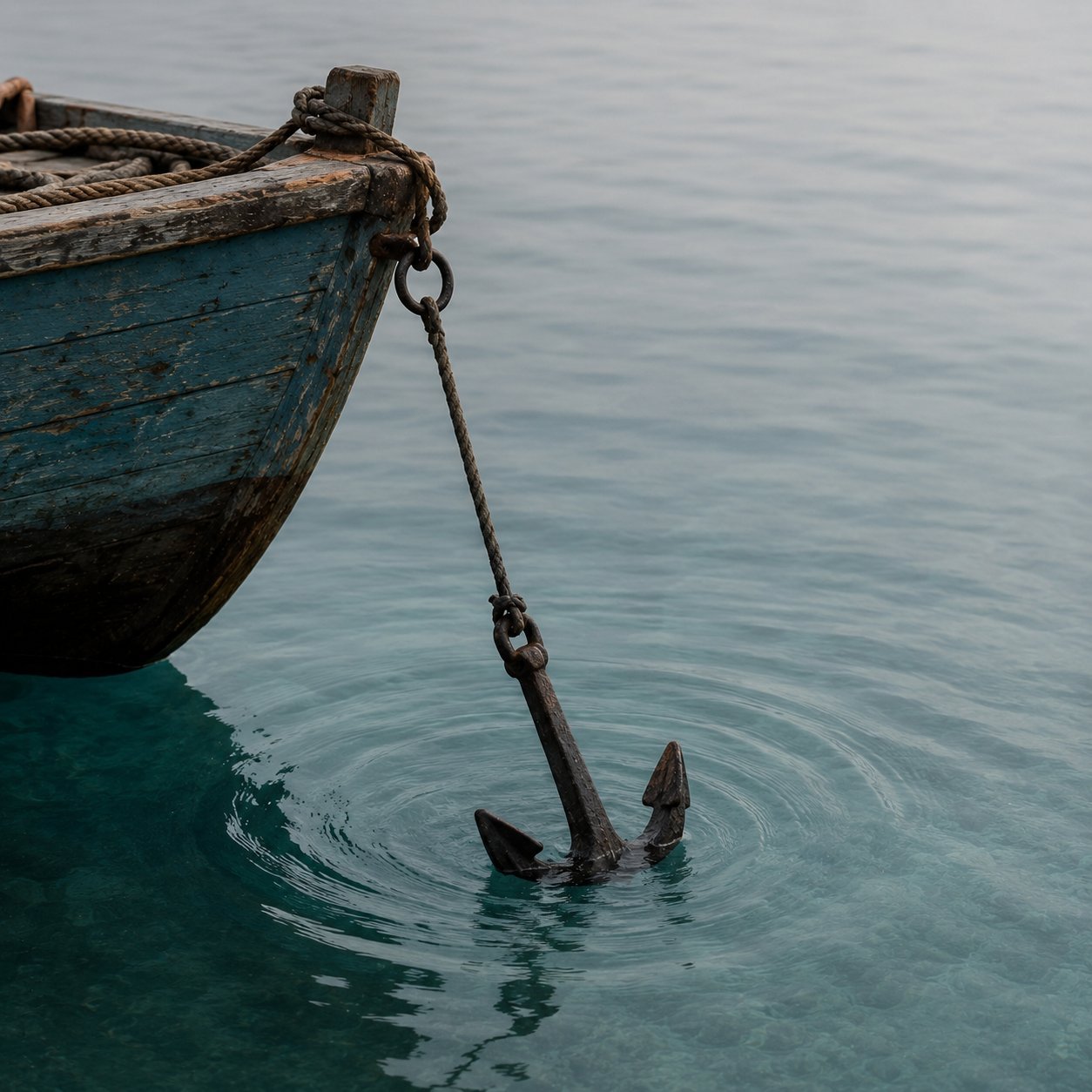
But perhaps dropping anchor was never failure.
Perhaps it was seamanship.
Ships are not designed to remain permanently in storm conditions.
Neither are people.
Rest is not laziness.
Pause is not weakness.
Stepping back is not surrender.
Sometimes survival requires interruption.
And perhaps one of the most radical things a man can say in modern life is:
“I need a minute.”
Not because he’s incapable.
Because he intends to continue existing beyond the next deadline.
So if you’re exhausted:
Notice it.
If you’re emotionally numb:
Notice it.
If you’ve become someone who survives but no longer arrives emotionally anywhere:
Notice it.
You don’t need to justify exhaustion before caring for yourself.
The tide can wait a moment.
#ISeeU
(Season Two of Sea, Salt & Reflections begins July 2026.)
The novel behind this series: I See U →